
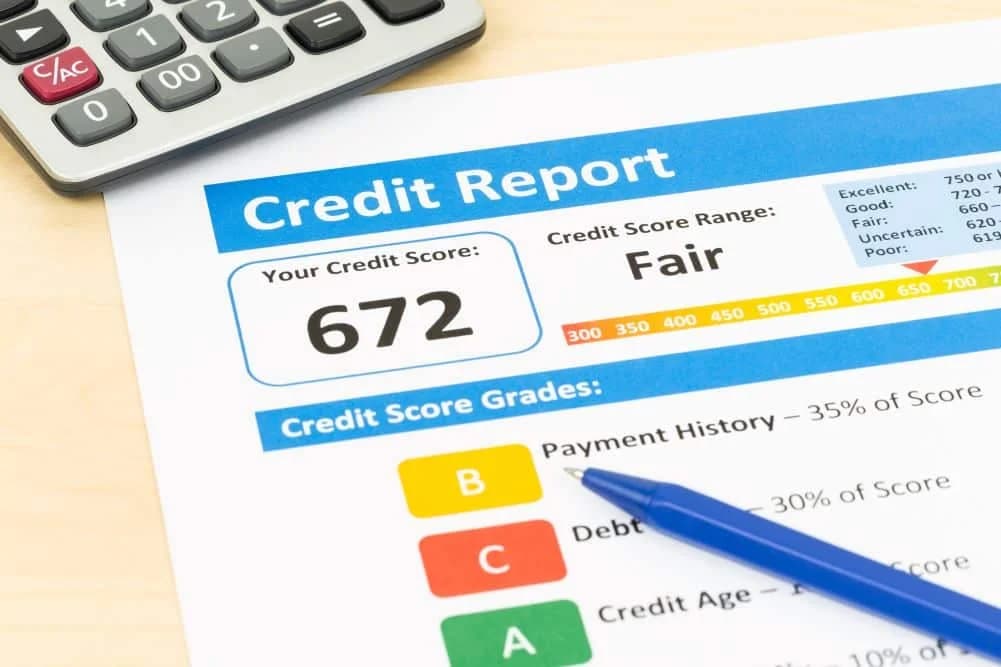
In today’s financial landscape, maintaining an accurate credit report is more crucial than ever. Credit reports serve as the backbone of your financial reputation, influencing everything from loan approvals and interest rates to employment opportunities and housing applications. Yet, inaccuracies in credit reports are not uncommon and can have significant repercussions on an individual's financial health. According to a study from the Federal Trade Commision, one in five Americans find credit report inaccuracies resulting in less favorable loan terms. Understanding the importance of identifying and resolving these inaccuracies is a vital step towards safeguarding your financial future. Let’s have a look at the impact of these inaccuracies and what steps can you take to resolve them.
The Impact of Credit Report Inaccuracies
- Credit Decisions and Interest Rates: This is the biggest impact inaccuracies can have on your credit report. Most lenders rely heavily on credit reports and scores to make lending decisions. Inaccuracies, such as incorrect account information, fraudulent activities, or outdated data, can unfairly lower your credit score. This, in turn, affects your ability to secure loans or may result in higher interest rates, costing you more over time. So if you are looking for financial help to start a business or get a new house, better get your credit report right.
- Employment Opportunities: Though it’s not as common as lenders, many big employers conduct credit checks as part of their hiring process, especially for positions that involve financial responsibilities. A flawed credit report could misrepresent your financial stability and responsibility, potentially costing you a job opportunity.
- Insurance Premiums: Insurance companies often use credit information to determine premiums for auto and homeowners insurance. Errors on your credit report could lead to higher premiums, impacting your monthly budget.
- Housing Applications: Landlords and rental agencies commonly check credit reports when evaluating rental applications. Inaccuracies on your credit report could jeopardize your chances of securing your desired residence.
Steps to Resolve Credit Report Inaccuracies
- Review Your Credit Reports Regularly: A lot of people never care about their credit reports. In fact, 33% of Americans checked their credit report in 2020. Even from those who check their reports, a very few actually review it for any credit inaccuracies. It’s essential to monitor your credit reports from the three major credit bureaus (Equifax, Experian, and TransUnion) regularly. You’re entitled to one free report from each bureau every 12 months through AnnualCreditReport.com.
- Dispute Any Inaccuracies: If you identify any errors, file a dispute with the credit bureau that reported the inaccuracy. Provide any documentation that supports your claim. The bureau is legally required to investigate your dispute within 30 days.
- Contact the Information Provider: In addition to disputing inaccuracies with the credit bureau, contact the creditor or institution that provided the incorrect information. Request them to correct the error and notify the credit bureaus to update your credit report.
- Follow Up: After filing a dispute, monitor your credit report to ensure the inaccuracies are corrected. If the issue is not resolved, you may need to escalate your dispute or seek legal advice. For a better response, you should seek help even before reaching out to these bureaus.
Legal Support in Resolving Credit Report Issues
Navigating the process of disputing inaccuracies on your credit report can be daunting. Legal assistance can provide the guidance necessary to ensure your disputes are handled effectively. Law firms experienced in consumer claims and financial disputes can offer invaluable support, ensuring your rights are protected and working towards a favorable resolution of your credit report issues. In conclusion, the importance of maintaining an accurate credit report cannot be overstated. It’s a cornerstone of your financial identity, influencing various aspects of your life. By taking proactive steps to identify and resolve inaccuracies, you can protect your financial health and secure your future. If you encounter challenges in this process, consider seeking legal assistance to ensure your financial reputation remains intact. At The Schwartz Law Firm, we understand the complexities involved in managing and disputing credit report inaccuracies. Our team is dedicated to providing our clients with comprehensive legal support, from navigating business disputes to resolving consumer claims. If you're facing challenges with your credit report, contact us to learn how we can assist you in safeguarding your financial well-being.Share
Link copied

Matthew Schwartz
Matthew Schwartz represents clients harmed by lawyers, accountants, insurance professionals, real estate agents, brokers, financial advisors, and other trusted professionals. He handles Florida litigation and nationwide FINRA arbitration. He has been recognized in The Best Lawyers in America® and named to the Best Law Firms® list.
More about Matthew