
You've spent thirty-five years building your retirement nest egg—carefully contributing to your 401(k), diversifying your portfolio, following professional advice. Now someone you trusted with that security is recommending investments that don't quite match the conservative strategy you've always maintained. The returns sound impressive, but something feels off.
That instinct deserves attention. Investment scams don't always announce themselves with obvious red flags. They often arrive through polished presentations, from credentialed professionals, wrapped in the language of legitimate financial planning.
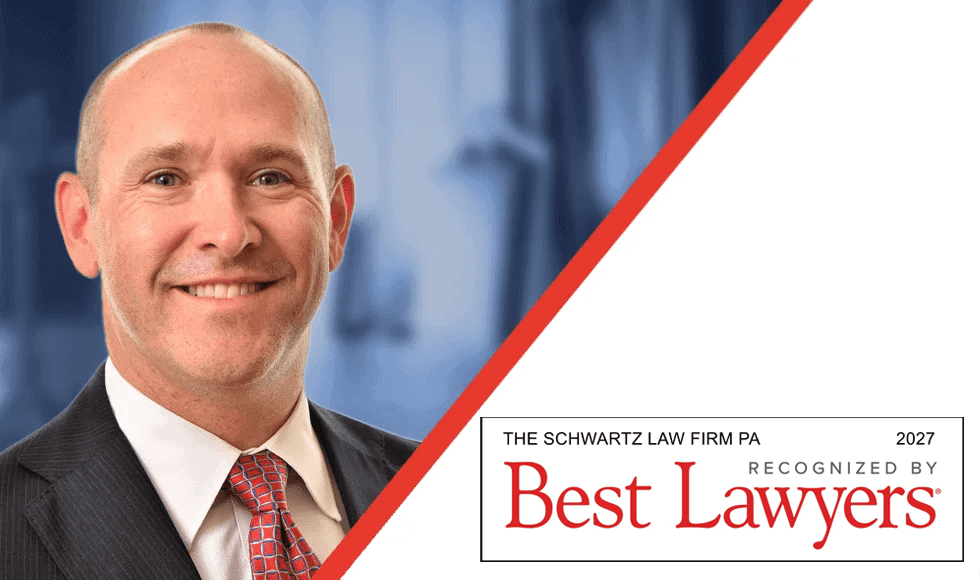
Attorney Matthew Schwartz—former FINRA staff attorney, former defense counsel at Florida's largest defense firm, and current FINRA arbitrator—has seen these schemes from every angle: regulatory oversight, broker-dealer defense strategy, and investor advocacy. That tri-perspective insight reveals how fraudsters exploit the very characteristics that made you successful: trust in professionals, respect for credentials, and belief that following rules leads to fair outcomes.
If you suspect misconduct with your investments, don't wait. Schedule a confidential case evaluation with Matthew Schwartz at (866) 618-0565. Early documentation often makes the difference between recovering losses and accepting permanent damage to your retirement security.
Why Do Investment Scams Continue Targeting Florida Investors?
Florida's large retirement population creates particularly vulnerable targets for investment fraud. The combination of concentrated wealth, recent career transitions, and eagerness to secure retirement income attracts fraudsters systematically. According to the FBI's 2023 Elder Fraud Report, investment scams caused over $1.2 billion in losses to Americans age 60 and older nationwide. Florida ranked second nationally for elder fraud complaints and losses—with seniors in the Sunshine State reporting over $90 million in losses to investment schemes alone. Recent cases in Southwest Florida illustrate this pattern. In 2025, the Schwartz Law Firm obtained over $1.2 million in judgments against an insurance agent who orchestrated a Ponzi scheme targeting senior citizens in Fort Myers. The victims—successful professionals in their 60s and 70s—lost life savings not because they were unsophisticated, but because they trusted a licensed professional who violated that trust systematically.What Are the Red Flags of Investment Fraud?
Investment fraud warning signs include guaranteed returns with minimal risk, unsuitable recommendations that don't match your risk tolerance, excessive trading generating commissions, and unlicensed individuals selling securities. FINRA emphasizes that all investments carry some degree of risk—promises of "guaranteed" returns or "risk-free" opportunities are classic fraud indicators. Recognizing potential fraud requires understanding specific warning signs that distinguish legitimate investment strategies from misconduct: According to FINRA and SEC guidance, these red flags demand immediate scrutiny:- Unsuitable investment recommendations - Your financial advisor recommends products that don't align with your stated risk tolerance. If account documents specify "conservative investor seeking income and preservation," but your portfolio holds 70% speculative tech stocks, that mismatch requires investigation.
- Excessive trading activity (churning) - Monthly statements show dozens of transactions when you authorized a "buy and hold" strategy. This generates commissions for brokers while depleting your account through transaction costs.
- Guaranteed returns or minimal risk claims - Any promise of consistent returns "regardless of market conditions" or claims that investments are "completely safe" violate fundamental principles. The SEC warns that promises of high returns with little or no risk are hallmarks of fraud.
- Pressure tactics and urgency - Legitimate investment opportunities don't require immediate decisions. Phrases like "this opportunity closes tomorrow" or "I can only hold this allocation until Friday" are manipulation tactics designed to prevent proper due diligence.
- Unlicensed securities activity - Someone holding only an insurance license cannot legally sell securities. FINRA requires brokers selling stocks, bonds, or mutual funds to hold appropriate securities licenses. Verify credentials at BrokerCheck.FINRA.org before committing funds.
- Account discrepancies - FINRA identifies unauthorized trades, missing funds, or unusual activity as potential churning or fraud indicators. Keep close watch on statements to ensure activity aligns with your instructions and risk tolerance.
What Happened in the Fort Myers Ponzi Scheme Case?
Understanding how investment fraud actually unfolds helps identify similar patterns in your own situation. The Fort Myers case illustrates how licensed professionals exploit trust. An insurance agent with a Florida 2-15 license—but no securities license—advised elderly investors to place funds in what he described as a "Fidelity bond fund" offering 5% to 7% annual returns. The pitch emphasized safety and stability, exactly what conservative retirees sought. Victims wrote checks payable to "Fidelity Investments," believing their money would be deposited directly into legitimate Fidelity accounts. Instead, the agent deposited checks into an account controlled by a shell company he created. The pattern illustrates several key fraud indicators: unlicensed securities activity, documents that don't match verbal representations, and consistent returns that don't reflect actual market performance. While the Schwartz Law Firm ultimately obtained over $1.2 million in judgments across multiple cases, recovery always depends on specific circumstances. Some victims recovered substantial portions of their losses; others faced challenges when assets had been dissipated. Each case outcome varies based on available assets, documentation quality, and individual circumstances.How Do I Verify My Financial Advisor's Credentials?
Investor protection starts with thorough verification before committing funds—or if you currently work with an advisor. The SEC and FINRA provide free tools to research investment professionals and identify regulatory issues or customer complaints. Take these concrete verification steps: Check FINRA BrokerCheck. Visit BrokerCheck.FINRA.org and search your advisor's name. Review employment history, credentials, and any regulatory actions or customer complaints. A clean record doesn't guarantee trustworthiness, but a troubled history demands serious caution. Verify licenses match services. If someone recommends securities investments, they must hold appropriate securities licenses, not just insurance credentials. The SEC emphasizes that insurance agents cannot legally sell stocks, bonds, mutual funds, or similar securities products without proper licensing. Request independent statement verification. Confirm account statements come directly from the custodian (Fidelity, Schwab, TD Ameritrade), not just from your advisor. Log into your account independently using credentials you established, not access your advisor provides. Review account activity systematically and document your risk tolerance. Compare trading frequency against your authorized investment strategy. Calculate your portfolio's actual return and compare it to relevant market indices. Ensure account opening documents accurately reflect your actual situation, goals, and risk tolerance. Keep copies of everything you sign.What Should I Do If I Suspect Investment Fraud?
If you've identified warning signs, methodical action preserves your ability to recover losses. According to the SEC, investors should act quickly but carefully when fraud is suspected. Stop additional funding immediately. Don't add money to accounts where you suspect misconduct. Preserve what remains while you investigate. Gather documentation systematically. Collect all account statements, trade confirmations, correspondence with your advisor, marketing materials, account opening documents, and emails. Organize chronologically. Documentation quality often determines recovery potential. Don't confront your advisor yet. Premature confrontation allows time to destroy evidence or move assets. Your advisor's response during an investigation matters less than the documentary evidence of what actually occurred. Preserve electronic communications. Forward all emails with your advisor to a secure personal account. Screenshot text messages. These communications often contain admissions or contradictions that become critical evidence. Consult a securities fraud attorney experienced in investor protection. FINRA arbitration has specific procedural requirements and deadlines. An attorney who understands these processes from multiple perspectives—regulatory oversight, defense strategy, and investor advocacy—provides strategic advantages most attorneys lack. Document losses precisely. Calculate the difference between what your account would contain had you achieved market returns versus its actual value. Include transaction costs, tax consequences, and opportunity costs.How Can an Experienced Securities Fraud Attorney Help?
Investment fraud cases require specialized legal expertise in FINRA arbitration and securities law. Attorney Matthew Schwartz's background as a former FINRA staff attorney and former defense counsel at Florida's largest defense firm provides comprehensive perspective on how these cases develop from regulatory, defense, and investor viewpoints. As a current FINRA arbitrator, he understands how panels evaluate evidence and make decisions. During a free consultation, Matthew Schwartz reviews your documentation, assesses recovery potential realistically, and explains the FINRA arbitration process clearly. The consultation is free. If the firm takes the case, whether the fee is hourly or contingency is explained before you hire them. The firm handles securities fraud cases, unsuitable investment claims, churning, unauthorized trading, Ponzi scheme recovery, and breach of fiduciary duty throughout Florida and nationwide through FINRA arbitration. For cases meeting minimum thresholds (generally $50,000 or more in losses), the firm explains whether the fee would be hourly or contingency before you hire them. Matthew Schwartz handles the confrontation and legal complexity while you maintain peace of mind. You don't have to face broker-dealers and their legal teams alone. The firm manages discovery, motion practice, hearing preparation, and all proceedings while keeping you informed with regular updates. Don't let embarrassment or uncertainty prevent you from protecting your financial security. Investment fraud victims aren't unsophisticated—they're individuals who trusted professionals who violated ethical obligations. Holding those professionals accountable requires acting within FINRA's eligibility periods, which typically provide six years from when you discover the fraud. Schedule a confidential case evaluation today. Contact the Tampa office at (866) 618-0565 or complete the online consultation request. Matthew Schwartz will review your situation thoroughly, explain your legal options clearly, and provide honest assessment of your case's potential—with a free consultation and a clear explanation of whether the fee would be hourly or contingency. Your retirement security depends on addressing investment fraud decisively. The methodical approach you've always taken to financial planning deserves the same careful attention when recovering from professional misconduct.Share
Link copied

Matthew Schwartz
Matthew Schwartz represents clients harmed by lawyers, accountants, insurance professionals, real estate agents, brokers, financial advisors, and other trusted professionals. He handles Florida litigation and nationwide FINRA arbitration. He has been recognized in The Best Lawyers in America® and named to the Best Law Firms® list.
More about Matthew